Fall is one of my favorite seasons to explore with preschoolers. Colorful leaves, crisp weather, apple picking, pumpkin patches, and other seasonal changes give young children so much to notice and talk about.
Fall picture books are an easy way to bring those experiences into your preschool classroom, home daycare, or family reading time. They introduce new vocabulary, encourage children to observe changes outside, and inspire all kinds of hands-on fall activities.
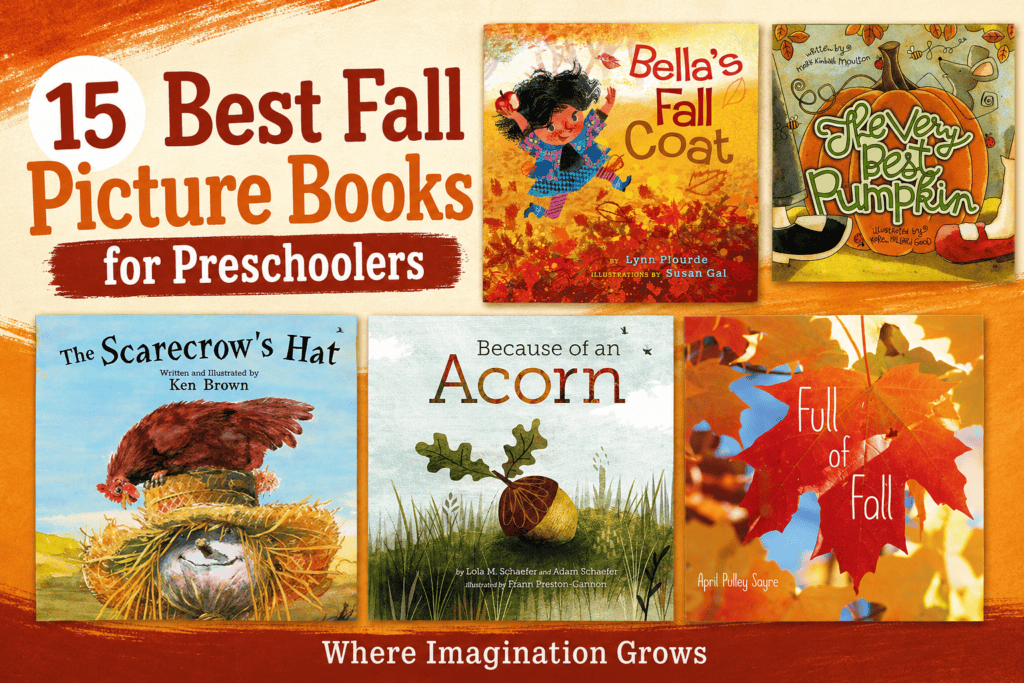
Best Fall Picture Books for Preschoolers
After more than 20 years of working with young children, I’ve read a lot of fall books with toddlers and preschoolers. The books on this list weren’t selected just because they fit an autumn theme. I’ve read every one of them with children in my daycare, and they have all been well-loved.
Some are funny, some introduce simple science concepts, and others encourage conversations about friendship, family, change, and trying new things.
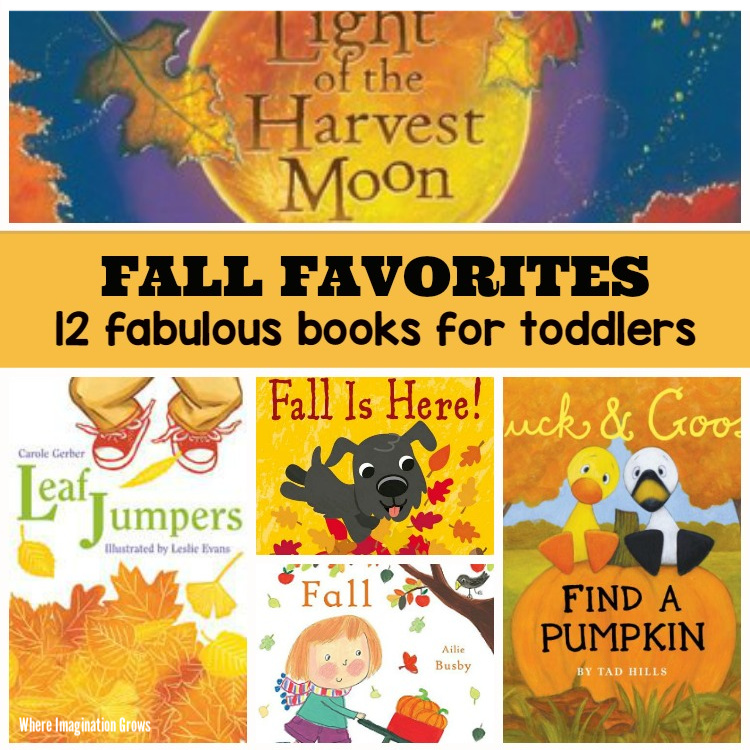
Have younger children in your group? You may also enjoy our favorite fall books for toddlers.
The best fall books for preschoolers combine engaging illustrations with stories children can understand and relate to. This list includes books about falling leaves, seasonal changes, apples, pumpkins, nature, friendship, and all the other experiences that make autumn special.
Fall Books About Changing Leaves
Best for: Nature, imagination, and fall art
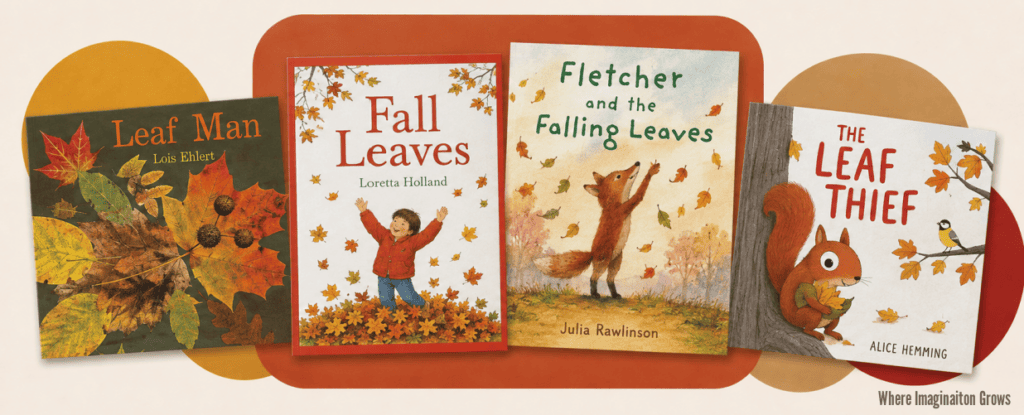
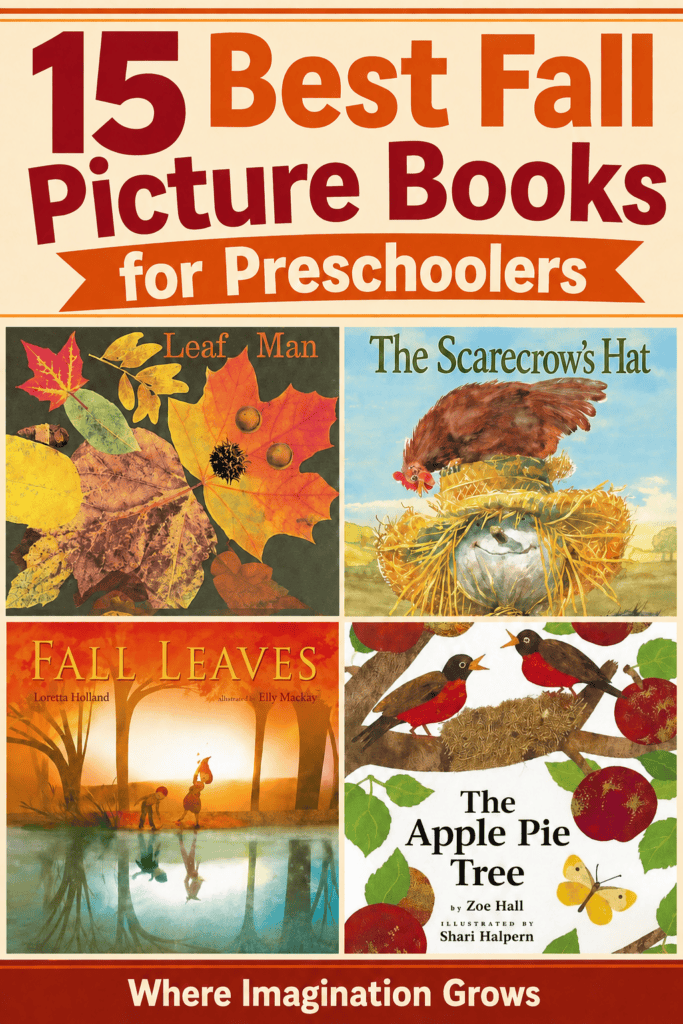
Leaf Man is a fall classic and one of my favorite books to share before a nature walk or leaf activity. When the autumn wind begins to blow, Leaf Man travels wherever the wind takes him. The illustrations are created with real leaves arranged into people, animals, and landscapes.
Preschoolers love examining the pictures and finding the different shapes hidden in the leaves. After reading, invite children to collect leaves and create their own leaf people, animals, or imaginary creatures.
Fall Leaves by Loretta Holland
Best for: Seasonal science and observing nature
Fall Leaves combines beautiful autumn illustrations with information about the changes children may notice during fall. The book explores changes in leaves, plants, animals, weather, and sunlight. The text introduces real science concepts while still being accessible to young children.
This is a useful book to read before a fall nature walk. Encourage preschoolers to look for some of the seasonal changes they saw in the book.
Fletcher and the Falling Leaves by Julia Rawlinson
Best for: Learning about change and expressing feelings
In Fletcher and the Falling Leaves, Fletcher the fox becomes worried when leaves begin falling from his favorite tree. He tries to save and reattach them, but the leaves continue to fall. Eventually, Fletcher discovers that the tree is not in danger and that seasonal change can create something beautiful.
This sweet story can help preschoolers talk about change, worry, and what happens to trees during the fall.
The Leaf Thief by Alice Hemming
Best for: Humor, seasonal changes, and managing worry
Squirrel loves counting the colorful leaves on his tree. When one of the leaves disappears, he becomes convinced that someone has stolen it. Fortunately, Bird understands what is really happening and helps Squirrel learn about the changes that take place during fall.
The Leaf Thief is funny enough to keep preschoolers engaged while introducing why leaves fall from trees. It also creates opportunities to talk about change, worry, and what children can do when something unexpected happens.
Children can practice counting leaves with Squirrel or predict who they think the “leaf thief” might be.
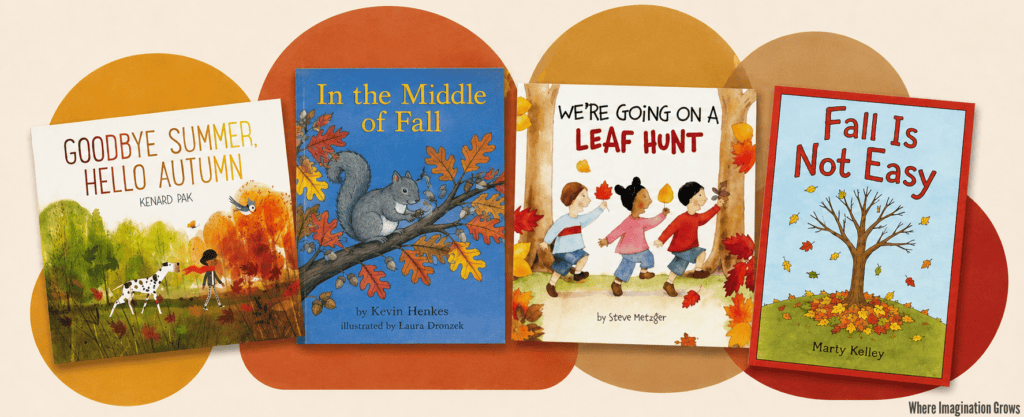
Goodbye Summer, Hello Autumn by Kenard Pak
Best for: Introducing fall and observing seasonal changes
In Goodbye Summer, Hello Autumn, a young girl takes a walk through the forest and her town as summer begins turning into fall. Along the way, she talks to the plants, animals, wind, and other parts of nature. Each interaction introduces another sign that a new season is arriving.
This gentle story is a wonderful choice for starting a fall preschool theme. After reading, ask children what signs of autumn they have noticed outside.
You can also create a classroom list of things that change when summer becomes fall.
In the Middle of Fall by Kevin Henkes
Best for: Colors, sensory language, and fall vocabulary
In the Middle of Fall uses simple, lyrical language to describe the colors, sounds, movement, and weather of the season. The illustrations are filled with bold autumn colors, while the text introduces descriptive words such as chilly, frisky, gusty, changing, and turning.
This is an especially good fall read-aloud for younger preschoolers because the language is simple without making the book feel too young.
Encourage children to describe what they might see, hear, smell, or feel during a fall day.
We’re Going on a Leaf Hunt by Steve Metzger
Best for: Repetition, movement, and participation
We’re Going on a Leaf Hunt follows three friends on an outdoor adventure as they search for leaves of different colors and varieties. The repetitive text makes it easy for preschoolers to join in during the story. Children can act out the movements, repeat familiar phrases, and pretend they are going on their own leaf hunt.
Pair this book with a real nature walk and collect a few leaves to sort, compare, count, or use in a fall art project.
Fall Is Not Easy by Marty Kelley
Best for: Rhyming, humor, and silly illustrations
In Fall Is Not Easy, a tree explains that changing its leaves for fall is much harder than it looks. Instead of turning ordinary autumn colors, the tree’s leaves create all kinds of silly patterns and designs. Preschoolers usually enjoy seeing what the tree will try next.
The rhyming text is fun to read aloud, and the unexpected illustrations give children plenty of opportunities to predict what might appear on the next page.
After reading, invite children to draw a tree with their own silly leaf pattern.
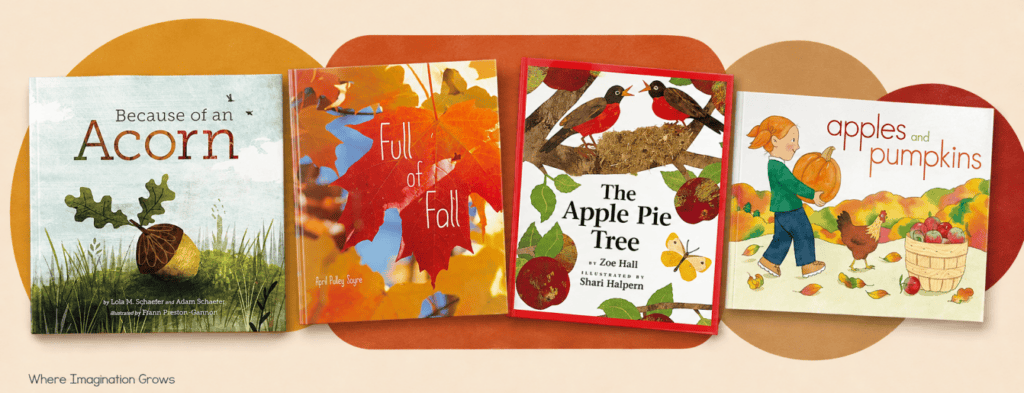
Because of an Acorn by Lola M. Schaefer and Adam Schaefer
Best for: Forest science and understanding connections in nature
Because of an Acorn begins with one small acorn and follows the connections that help a forest grow and thrive. The acorn becomes a tree, the tree supports other plants and animals, and each part of the forest contributes to the larger ecosystem. The book uses limited text and beautiful illustrations to introduce a big science concept in a way preschoolers can understand.
This is a wonderful book to pair with an acorn investigation, forest sensory bin, nature walk, or discussion about the animals that live in and around trees.
Full of Fall by April Pulley Sayre
Best for: Fall science, real nature photography, and observing leaves
Full of Fall uses beautiful nature photographs and simple text to follow the changes leaves experience throughout autumn. Children see leaves transform from green to red, yellow, and orange before falling from the trees and eventually crumbling as winter approaches.
The real photographs make it easy for preschoolers to connect the book with changes they can observe outside.
This is a wonderful book to read before a nature walk or leaf investigation. After reading, invite children to collect leaves in different colors and stages of change. They can compare the leaves, sort them by color, or examine them with magnifying glasses.
Fall Books About Apples and Pumpkins
The Apple Pie Tree by Zoe Hall
Best for: Apple themes, sequencing, and learning about trees
The Apple Pie Tree follows two sisters as they observe an apple tree throughout the year. Children see the tree grow leaves and blossoms before producing small green apples that eventually become ripe fruit. At the end, the apples are used to make an apple pie.
This book works especially well during an apple preschool theme because it introduces the apple tree’s seasonal cycle in a simple, child-friendly way.
Extend the story by making our apple pie playdough or singing a few apple songs and fingerplays.
Apples and Pumpkins by Anne Rockwell
Best for: Apple picking, pumpkin patches, and personal connections
Apples and Pumpkins follows a young girl and her family as they visit a farm to pick apples and choose a pumpkin. The familiar fall experiences and colorful illustrations make it easy for preschoolers to connect the story to their own lives. Children who have visited an orchard or pumpkin patch will especially enjoy sharing what they remember.
After reading, ask children whether they would rather pick apples or search for the perfect pumpkin.
The Very Best Pumpkin by Mark Kimball Moulton
Best for: Friendship, caring, and generosity
In The Very Best Pumpkin, Peter discovers a lonely pumpkin growing in a field. He carefully tends to it until it becomes a beautiful pumpkin. When another child comes along looking for the perfect pumpkin, Peter must decide what to do with the pumpkin he worked so hard to grow.
This gentle story connects a familiar fall theme with meaningful ideas about friendship, generosity, and caring for others.
More Cozy Fall Stories for Preschoolers
The Scarecrow’s Hat by Ken Brown
Best for: Sequencing, problem-solving, and predicting
In The Scarecrow’s Hat, Chicken wants Scarecrow’s straw hat. Scarecrow is willing to trade it for a walking stick, but Chicken does not have one. Chicken begins a series of trades with other animals, exchanging one item for another until she finally finds what she needs.
Preschoolers can practice remembering the sequence of trades and predicting what Chicken might do next. It is a clever and entertaining story about persistence and problem-solving.
Bella’s Fall Coat by Lynn Plourde
Best for: Family, growing, and accepting change
Bella loves everything about fall. She also loves the special coat her grandmother made for her and does not want to admit that she has outgrown it. As Bella enjoys colorful leaves, crisp apples, migrating geese, and other signs of the season, her grandmother begins working on a solution.
Bella’s Fall Coat is filled with movement, sensory words, family connections, and beautiful autumn colors. It offers a gentle way to talk about growing, accepting change, and finding new purposes for special belongings.
Ask preschoolers whether they have ever outgrown a favorite piece of clothing or had something special made by a family member.
How to Use Fall Picture Books in Preschool
You don’t need to read every book during the same week. Choose a few that fit your current theme and rotate them throughout the season.
Here are some easy ways to use fall picture books with preschoolers:
- Place several books in a seasonal classroom book basket.
- Introduce one or two new books each week.
- Read favorite books more than once.
- Ask children to predict what will happen next.
- Talk about the colors, objects, and seasonal changes in the illustrations.
- Compare the stories with things children have observed outside.
- Retell familiar stories with puppets, felt pieces, or props.
- Pair each book with a simple art, sensory, science, or movement activity.
- Let children vote on which fall book the group will read.
Repeating books is especially valuable for preschoolers. As children become familiar with a story, they begin joining in, remembering details, retelling events, and noticing things they missed during the first reading.
Questions to Ask While Reading Fall Books
Use a few simple questions to encourage conversation without interrupting the story too often:
- What do you notice in this picture?
- How can you tell that it is fall?
- What colors do you see?
- What do you think will happen next?
- How do you think the character feels?
- Have you ever done something like this?
- What changes have you noticed outside?
- What was your favorite part of the story?
There are no perfect answers. The goal is to help children observe, think, make connections, and talk about what they see.
Pair These Books With Fall Preschool Activities
Books can be the starting point for an entire week of fall learning.
- After reading about leaves, try one of these fall sensory bin ideas for preschoolers or take the children outside for a leaf hunt.
- For an apple theme, combine The Apple Pie Tree with apple pie playdough and apple songs and fingerplays.
- Pumpkin books pair well with pumpkin counting, sensory play, or these potato jack-o’-lantern prints.
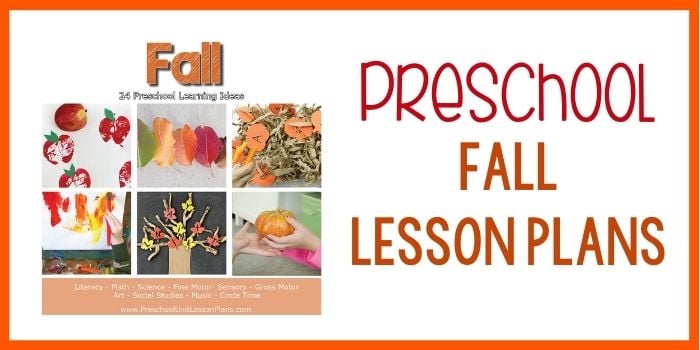
- You can also find more seasonal inspiration in our September preschool themes or use our complete fall preschool lesson plans.
Frequently Asked Questions
What ages are these fall picture books best for?
Most of these books work well for children ages three to five. Some are simple enough for older toddlers, while others can also be enjoyed by kindergarten-age children.
If you are reading to a mixed-age group, focus on the illustrations, shorten longer discussions, and let younger children participate through movements or repeated phrases.
What makes a good fall book for preschoolers?
Look for engaging illustrations, manageable amounts of text, relatable seasonal experiences, and opportunities for children to participate or make predictions.
Books about falling leaves, apples, pumpkins, animals, weather, and family traditions are especially easy to connect with hands-on preschool activities.
How can I extend a fall book after reading it?
Invite children to create fall art, collect and sort leaves, examine acorns, act out part of the story, or add related props to a sensory bin. You can also ask children to draw their favorite part of the story or dictate a sentence about what they remember.
Are these Halloween books?
The books on this list focus primarily on the fall season rather than Halloween.
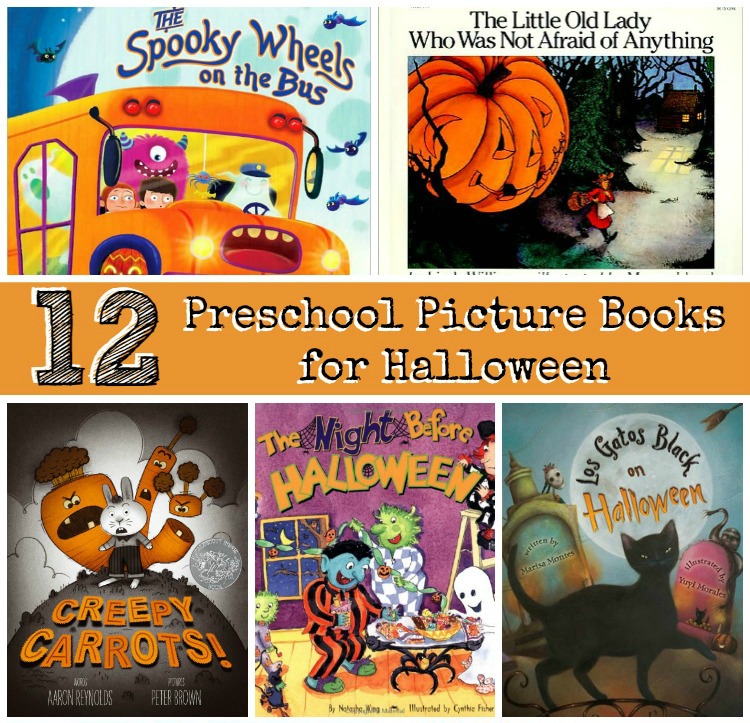
For fun, seasonal stories without being overly scary, visit our collection of Halloween picture books for preschoolers.
These fall picture books have all been well-loved by the children in my home daycare. They give preschoolers so much to notice, discuss, imagine, and explore.
Whether you are planning a full autumn theme or simply adding a few seasonal books to your reading basket, these stories are wonderful choices for cozy fall read-alouds.
What fall picture books do your preschoolers ask you to read again and again? Share your favorites in the comments!
Looking for more crafts and activities? Check out our index for 100+ kids’ activities! Find activities by theme, materials, skills, age, and much more!
Originally published September 2016. Updated August 2026. This post contains affiliate links.
Good list. I haven’t seen any of these! I want to check out Fall is Here. I love the book lists on this site!